Philodendron Gigas The tropical Philodendron Gigas is an interesting and...
Read More
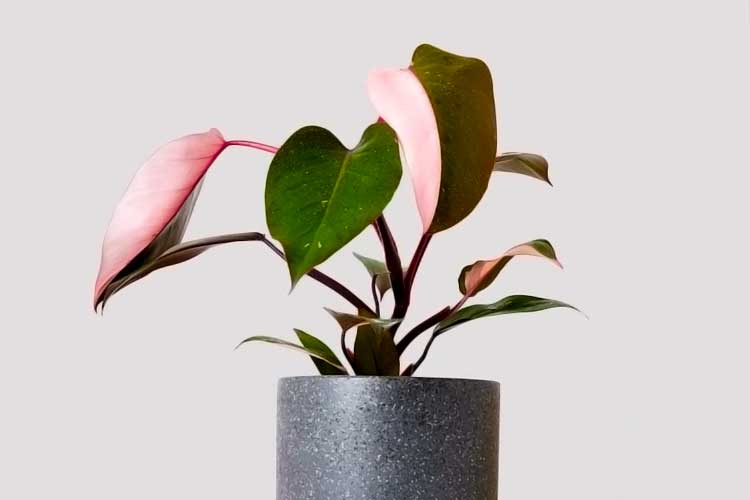
Philodendron Pink Princess
It’s difficult to go wrong with Philodendron “Pink Princess.” Adding one to any area is a terrific way to make it feel more alive. It’s easy to look after and will brighten up any room in the house. It has dark green leaves with a bright pink centre. The Pink Princess Philodendron grows best in medium to bright light.
Watering Pink Princess
The Philodendron Pink Princess is a popular houseplant due to its ease of care and lovely pink foliage. It requires regular watering and bright, indirect light. Water it every other day in the summer and once a week in the winter. Allow the soil to dry out between waterings.
Fertilizing
When caring for a Pink Princess, it’s crucial to remember to fertilise it on a regular basis. Fertilizing your plant will encourage it to produce large, healthy leaves with a wide range of colours. There are many various kinds of fertiliser on the market, so be sure you get one that’s made exclusively for houseplants. Follow the packaging instructions carefully, and fertilise your plant once a month at the very least.
Frequently Asked Questions
How to get pink leaves on pink princess?
Many gardeners are interested in learning how to grow Philodendron Pink Princess’ deep pink foliage. Here are some pointers to help your Pink Princess reach peak health and fitness if you want to obtain those pink tones.
To start, make sure your plant is getting enough light for healthy growth. For more constant illumination, either put it in a location with filtered sunlight or use artificial lighting. Additionally, check that the soil your plant is in has good drainage and air circulation to prevent waterlogging or suffocation of the roots. In order to prevent root rot and other illnesses, it should also be kept evenly moist but not unduly damp.
Is philodendron pink princess toxic to cats?
Whether philodendron pink princess is harmful to cats is one of the most crucial concerns that pet owners have. Yes, cats can become poisoned if they consume philodendron pink princess sap.
The primary poison in this plant is calcium oxalate, which, if swallowed by a cat, can result in drooling, trouble swallowing, and swelling of the mouth or tongue. In more severe circumstances, ingested substances may cause harm to the digestive system or other organs. You should consult a veterinarian right away if your cat consumed any portion of a philodendron pink princess plant.
Why is philodendron pink princess so expensive?
One of the most cherished plants in the world is the philodendron Pink Princess. Due to its brilliant pink and green foliage, the unique and unusual plant has grown to be quite sought-after, making it a must-have for any serious gardener or interior decorator. However, why is it so costly?
The rarity of Philodendron Pink Princess is a significant factor in determining its price. It is difficult to find this beauty outside of particular places of South America, specifically Brazil, Colombia, and Peru. Additionally, the stems are delicate and readily injured when handled wrong, making it challenging for even seasoned gardeners to propagate this plant from cuttings.Philodendron Pink Princess is difficult to obtain or propagate, and once it is, its care requirements are demanding as well.
How to repot philodendron pink princess?
Repotting is essential for maintaining the health and beauty of your philodendron pink princess since it promotes growth and can ward against illness. The size of the plant and the pot will determine the best procedure for repotting your philodendron pink princess. Here are some pointers to help you pot your Philodendron Pink Princess correctly so that it stays healthy and thrives!
Select a pot first that is one size bigger than the present container. Make sure you have the right soil mixture on hand; peat moss, perlite, or sand can be added to standard potting soil to improve drainage, which is what this type of plant prefers. Before relocating your philodendron pink princess from its current container, give it a good watering. Without damaging them, carefully remove all of the roots from the old dirt.
More Philodendron Plants
Philodendron Paraiso Verde
Philodendron Paraiso Verde Philodendron Paraiso Verde is easy-care, a great...
Read MorePhilodendrons Toxic for Cats
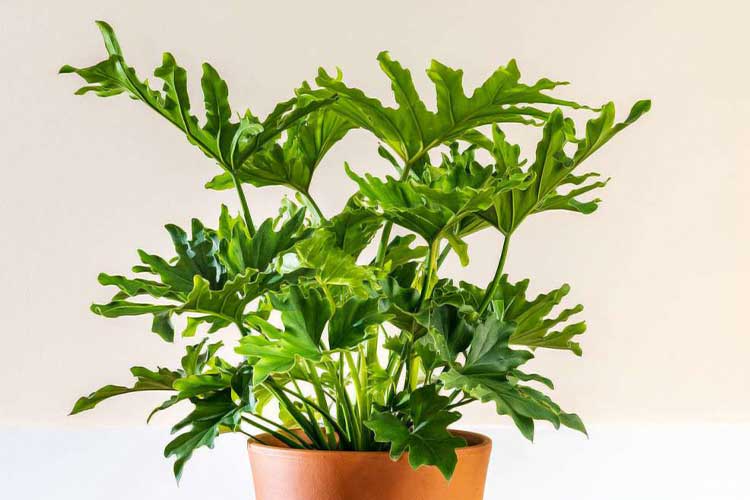
Philodendrons Toxic for Cats The philodendron is an exception to...
Read MorePhilodendron Leaves Curling and Wavy
Philodendron Leaves Curling and Wavy? What Causes Philodendron Leaves to...
Read MorePhilodendron Selloum Plant Care
Philodendron Selloum Care Philodendron selloum is a common plant that...
Read MorePhilodendron Prince of Orange
Philodendron Prince of Orange Philodendron Prince of Orange is a...
Read MorePhilodendron Brandtianum (Silver Leaf)
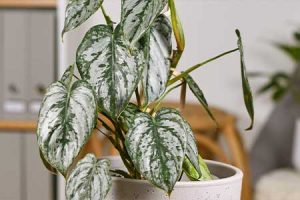
Philodendron Brandtianum There are many varieties of Philodendrons, and the...
Read MoreRare Philodendron Species
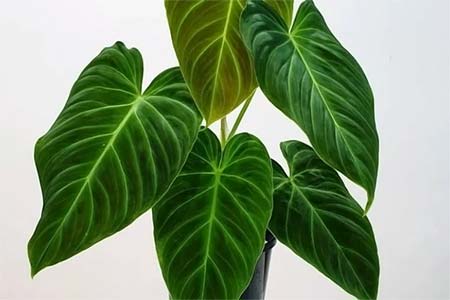
Rare Philodendron Species Philodendrons come in approximately 2,000 different species,...
Read MorePhilodendron Rugosum
Philodendron Rugosum The Araceae family includes the tropical plant Philodendron...
Read More


